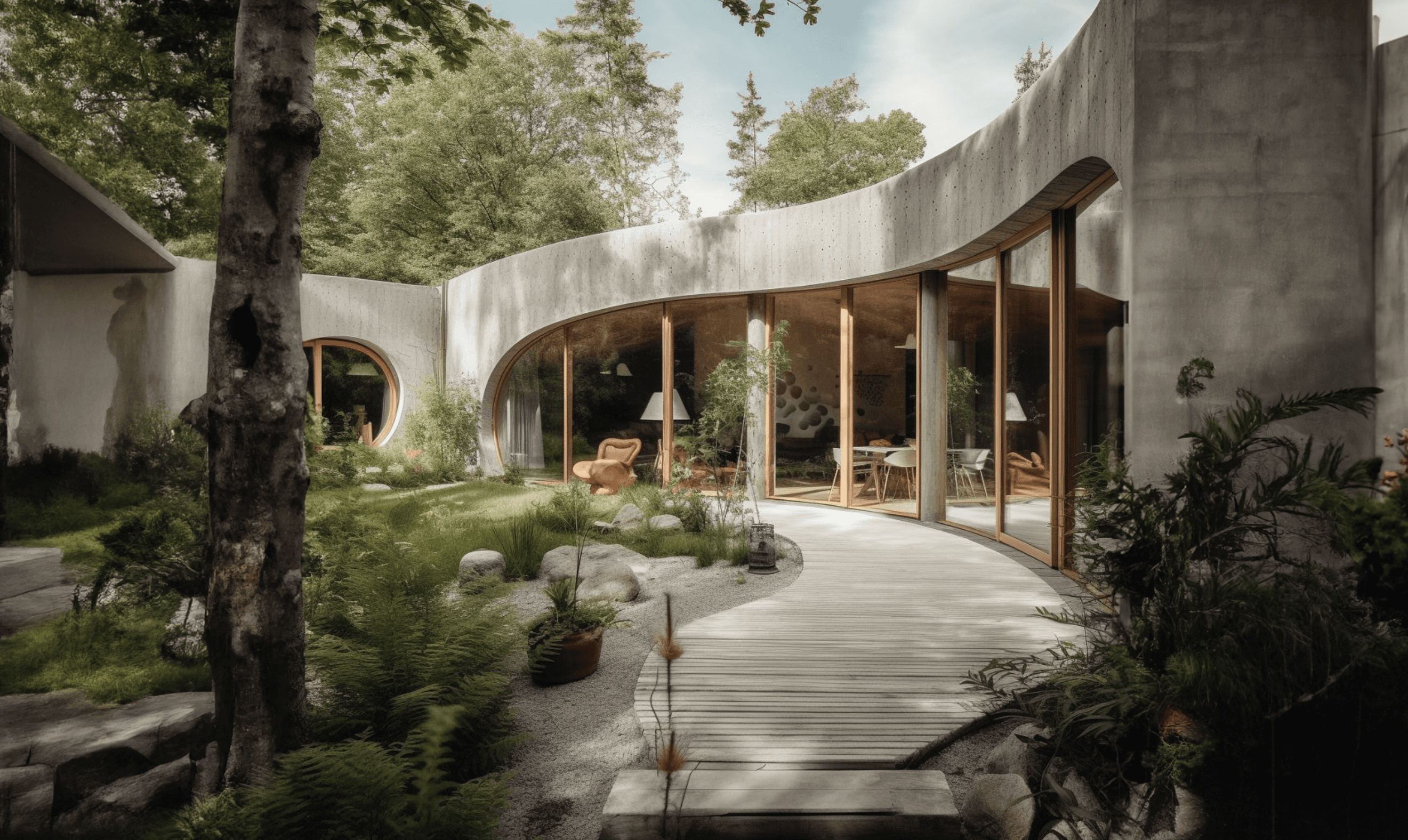
Ahlawat Farmhouse
Status:
Completed
Year:
2023-2024
Type:
Private residence
Size:
3718 m²
Client:
Private client
Location:
Jaipur, Rajasthan
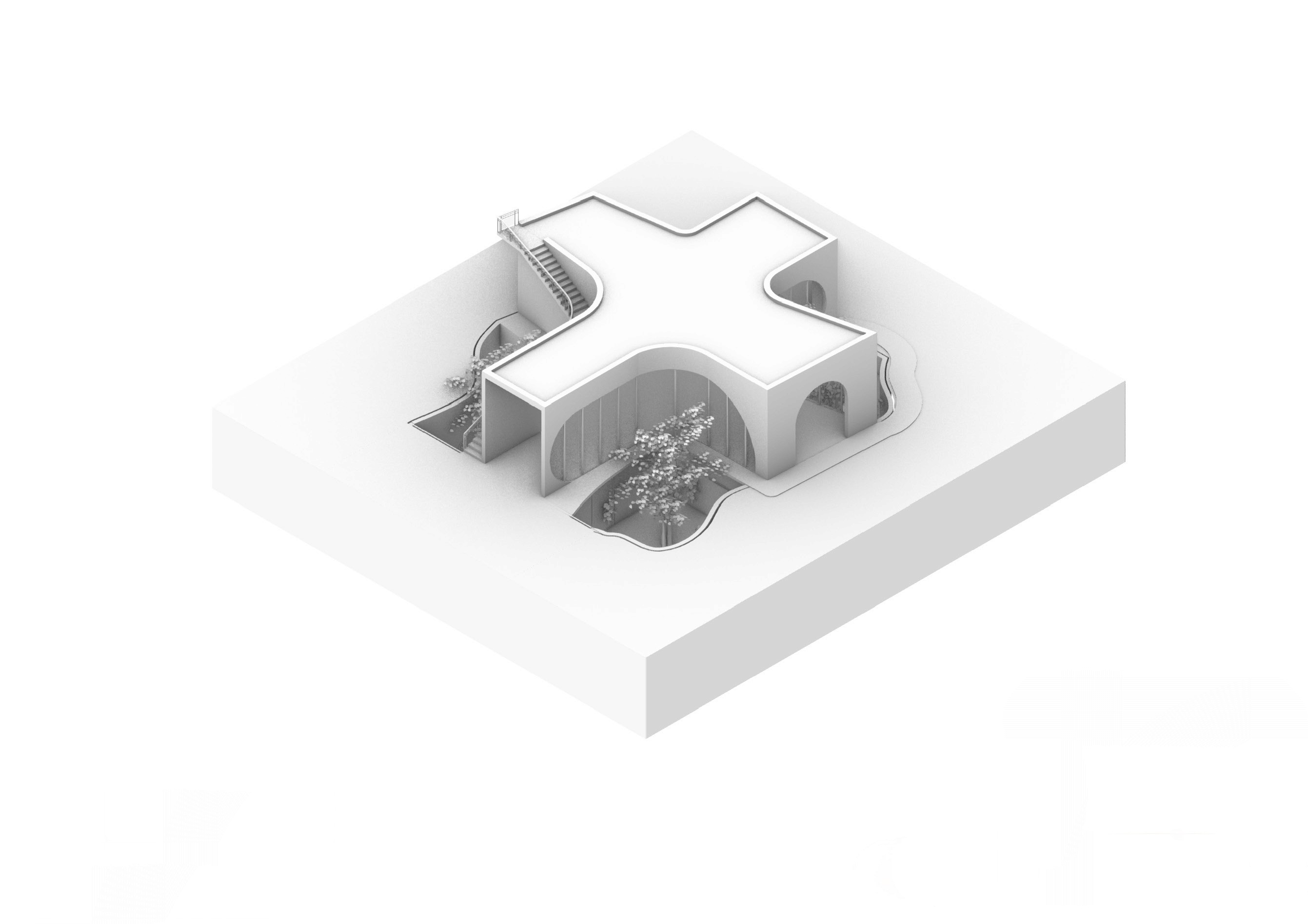
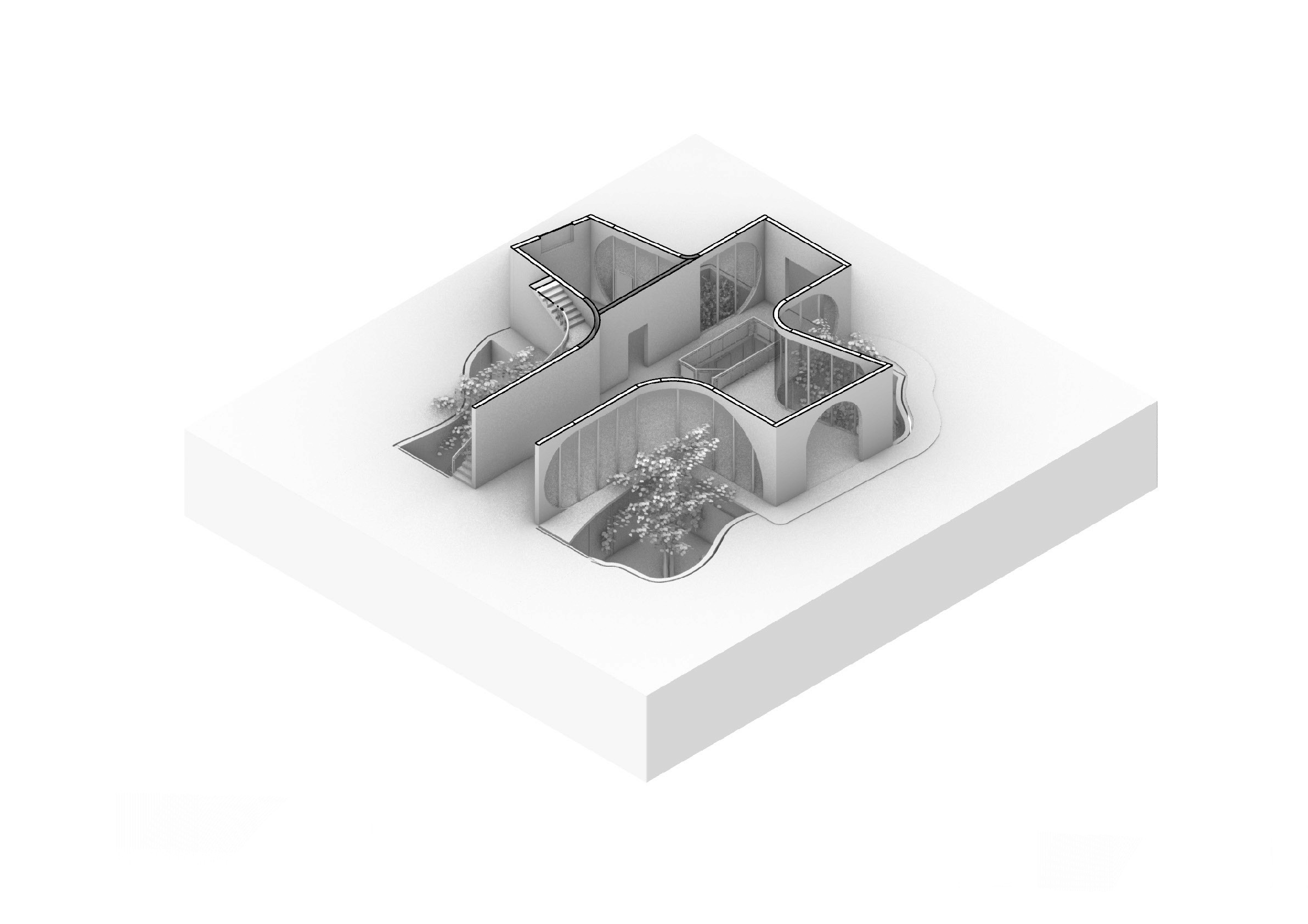
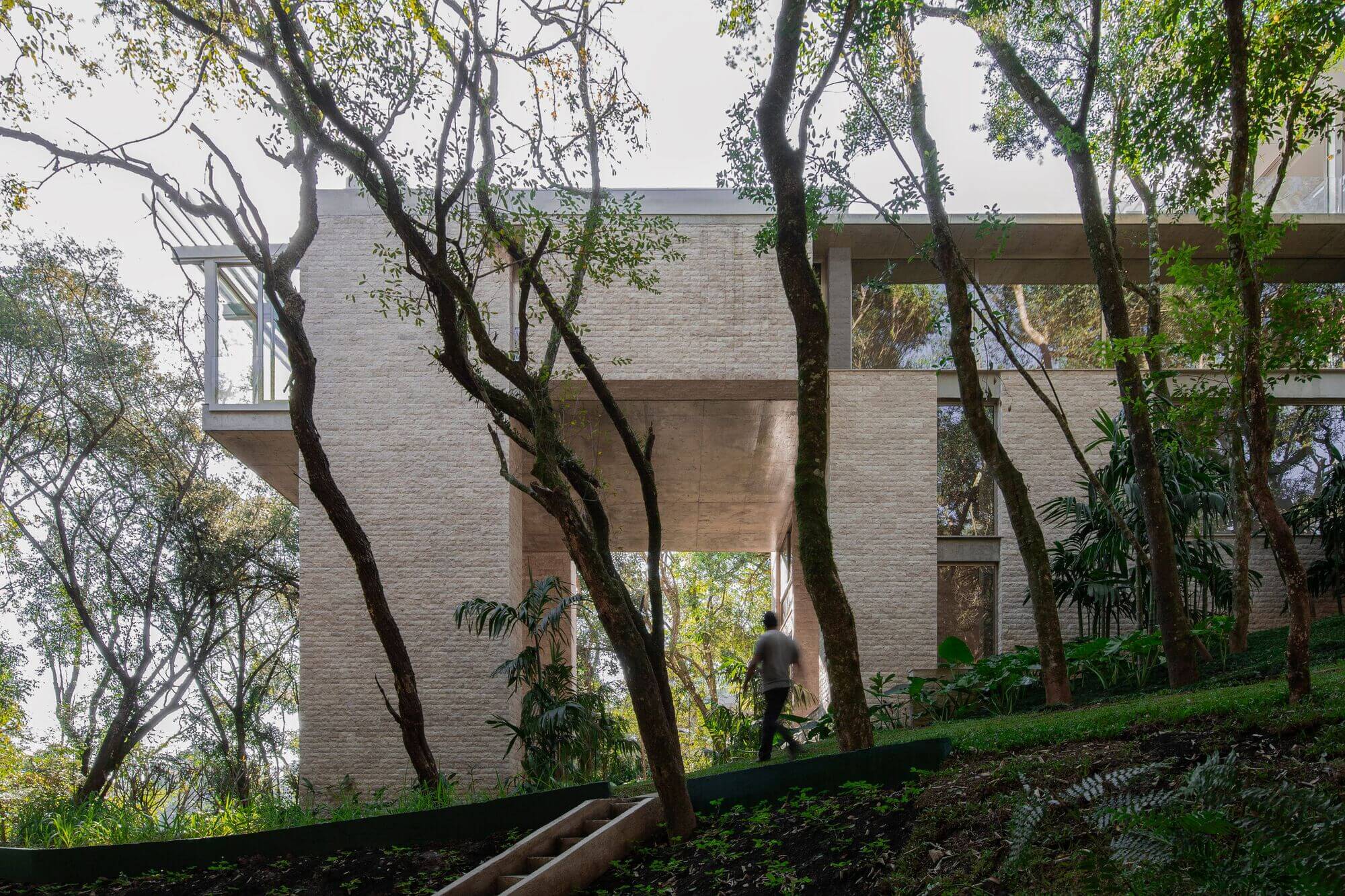
Located in one of Jaipur’s hottest zones, the Ahlawat Farm House reimagines regenerative living through a hyper-localized, low-carbon architectural vocabulary. Designed as a private outhouse with basement, ground, and rooftop programs, the project uses terrain-sensitive landscape mounds, shaded alleys, and distributed water bodies to regulate microclimates and enhance biodiversity
With native horticulture, passive wind corridors, and triannual meadows, the site becomes a seasonal organism—adapting, storing, and evolving with ecological rhythms. More than a retreat, it is a prototype for rural-urban sustainability in Rajasthan, seamlessly fusing contemporary needs with resilient, climate-conscious design rooted in place and purpose.
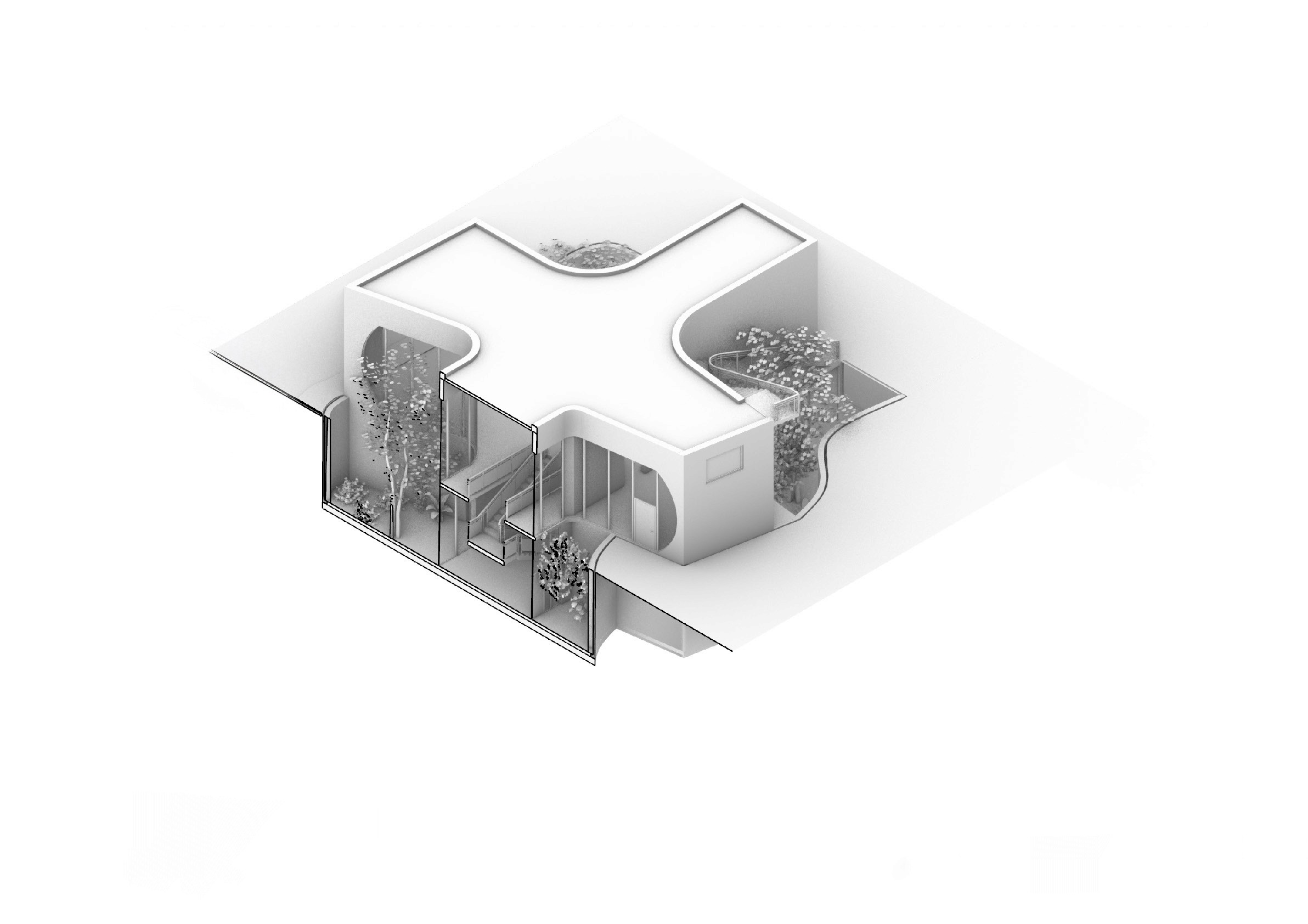
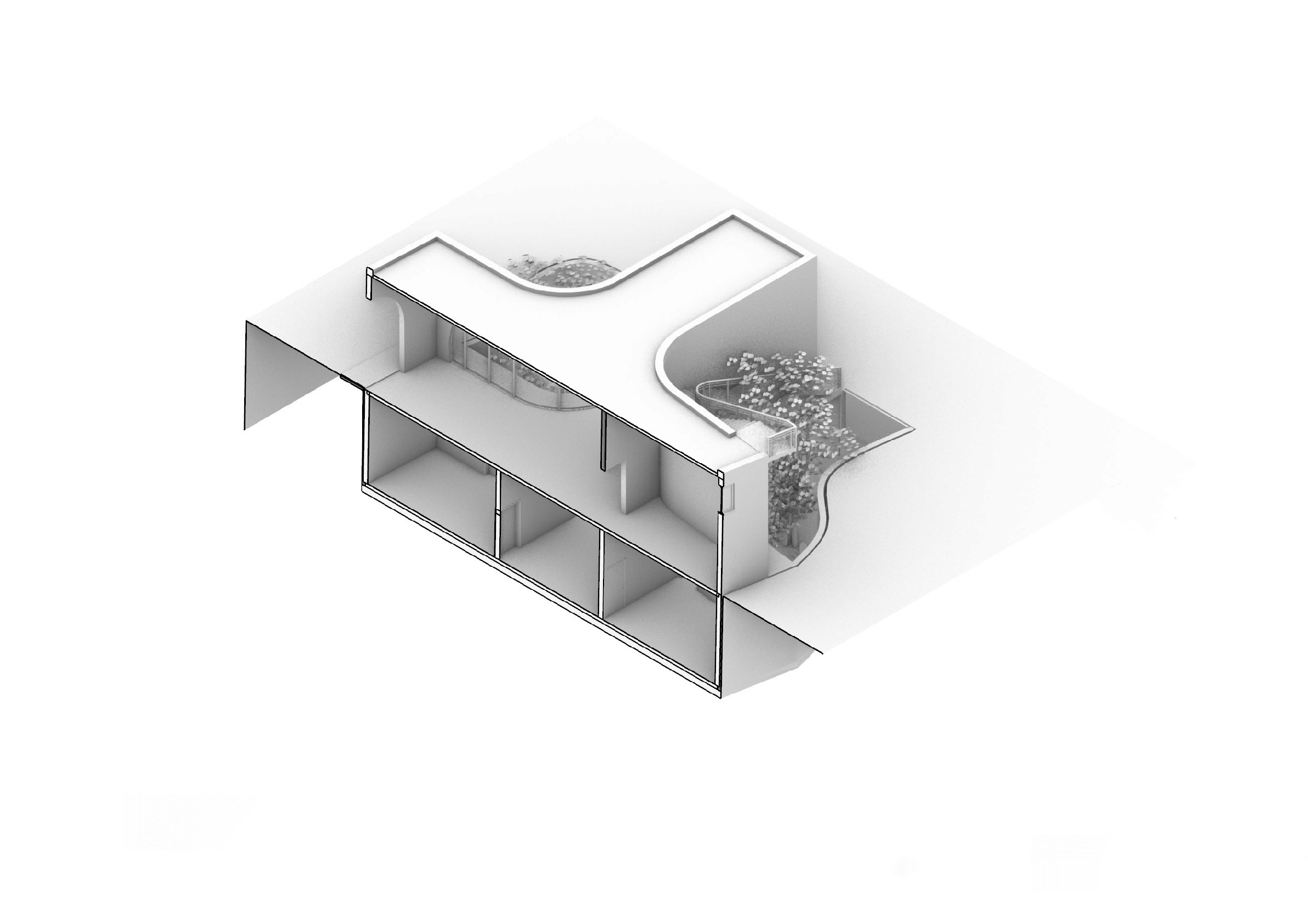
Located in one of Jaipur’s hottest zones, the Ahlawat Farm House reimagines regenerative living through a hyper-localized, low-carbon architectural vocabulary. Designed as a private outhouse with basement, ground, and rooftop programs, the project uses terrain-sensitive landscape mounds, shaded alleys, and distributed water bodies to regulate microclimates and enhance biodiversity
With native horticulture, passive wind corridors, and triannual meadows, the site becomes a seasonal organism—adapting, storing, and evolving with ecological rhythms. More than a retreat, it is a prototype for rural-urban sustainability in Rajasthan, seamlessly fusing contemporary needs with resilient, climate-conscious design rooted in place and purpose.
Project team:
Ar Raunak chaudhary,
Collaborating architects:
Design Integrity, Jaipur
Building physics:
(Other works)